Risk and accountability
An inbound enquiry is not a blank cheque for automated follow-up
Separate inbound handling from outbound messages and prepare a channel-by-channel permission and suppression review.
Published · Collection dates are retrospective editorial dates.
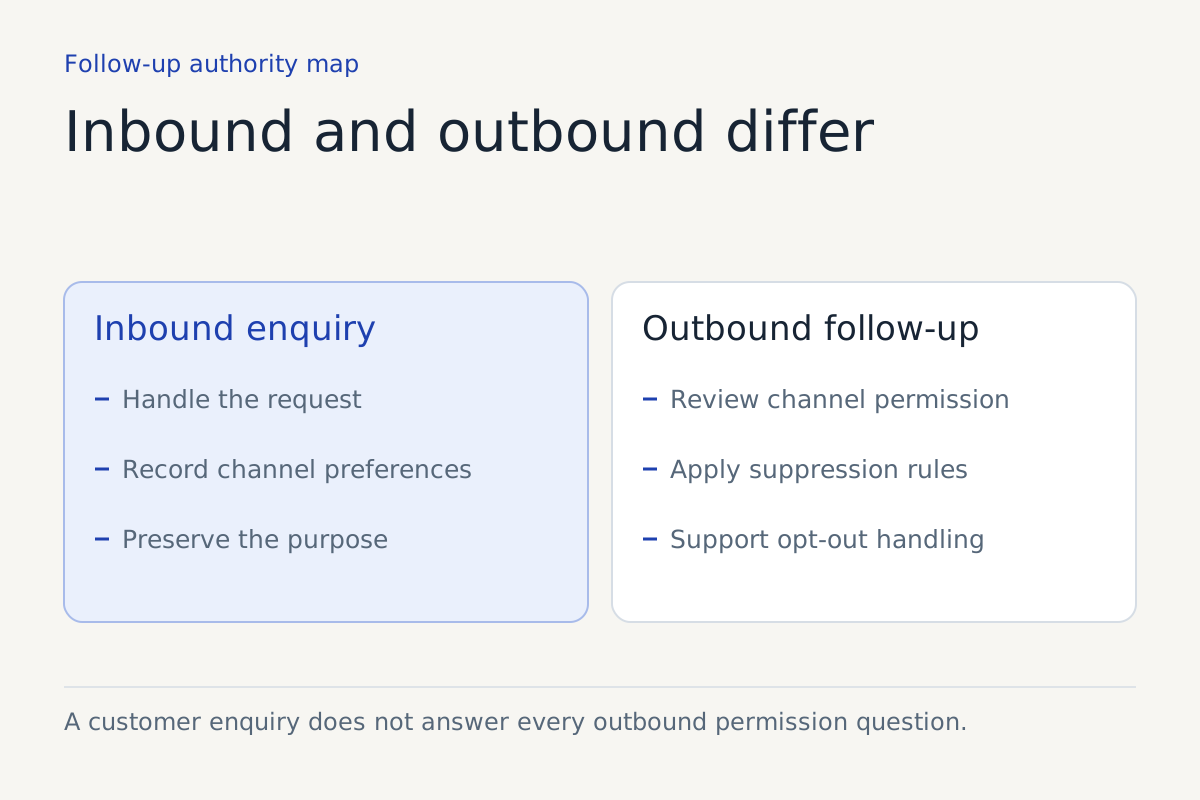
A customer calls to ask whether you serve their area. The system takes a number. Later, that number enters a reminder workflow, a sales sequence and an automated calling queue. What began as one enquiry has become several kinds of contact, possibly across different channels and purposes.
Do not let a shared customer record erase those distinctions. Each proposed follow-up needs its own purpose, operational owner and reviewed permission basis. A stored phone number is contact information; the workflow still needs a decision about how it may be used.
This article is an operational review framework, not a statement of outbound calling or messaging law. The FCC's original AI-voice ruling and alternate official PDFs could not be retrieved as readable primary text during verification. Current operative rules, exceptions and later developments were therefore not established. No outbound legal entitlement, exception or universal consent rule is asserted here. Have qualified counsel review the actual campaign against current primary authority before enabling it.
Draw every contact as a separate step
Start with the inbound event, then map each proposed outbound action. A requested callback, an appointment reminder, an unresolved support update and a promotional message are different purposes even if they use the same telephone number.
Identify the channel and method: human call, automated voice, text or email. Record which system initiates it and which organization is responsible. Include vendor-created follow-up behavior that might otherwise remain hidden in settings.
| Proposed contact | Business purpose | Facts needed for review |
|---|---|---|
| Requested callback | Respond to a specific request | Request wording, recipient and timing |
| Appointment reminder | Support an existing booking | Booking status and channel preference |
| Service update | Complete unfinished work | Open request and promised next step |
| Promotional message | Encourage a new purchase | Campaign audience, content and reviewed permission |
These categories are a planning device. They do not determine the legal classification of a message or whether sending it is permitted.
Keep permission attached to its scope
Record the actual evidence your approved process requires. Avoid a single “contactable” flag that hides the purpose, channel, method, source and current status of permission.
A customer's preference for text reminders does not operationally answer whether they want automated voice promotions. Whether a particular contact is legally permitted requires the relevant review; the software should at least preserve the facts needed to make and enforce that decision.
In a hypothetical appointment business, the booking form and phone conversation might capture different preferences. Decide how conflicting records are resolved through the approved process. Do not simply let whichever system wrote last overwrite the evidence.
AHRQ's follow-up guidance discusses patient follow-up responsibilities and communication preferences. It is relevant to operational design in that setting, not authority for telemarketing or automated-calling rules.
Design suppression before designing the sequence
A sequence is easy to start and surprisingly easy to leave running. Specify how an opt-out, changed preference, wrong number, complaint or completed task affects future actions. Have the responsible reviewers approve the treatment for each channel and purpose.
Apply the approved suppression decision at the point an action is about to be sent, not only when the audience list is created. Queued actions may outlive the original customer state. The implementation needs a current check and a way to cancel pending work.
Test the integration between systems. A preference recorded in the CRM should reach the calling or messaging system through a verified mechanism. A successful database update is not evidence that every outbound queue observed it.
Stop duplicate and contradictory contact
Two workflows can each be reasonable and still create a poor experience together. A human calls while the assistant sends a follow-up. A booking reminder goes out after a cancellation. A sales sequence continues after a customer has asked for a service correction.
Give related workflows a shared view of the current request and assigned owner. Decide which action takes precedence. Preserve enough history to explain why a particular message was sent without retaining unnecessary content.
In a hypothetical repair operation, a customer who already accepted a technician visit should not continue receiving a sequence asking them to book that same visit. This is a proposed customer-experience rule, not a claimed measured effect.
The next message should reflect the customer's current situation, not merely the event that started the sequence.
This is an original editorial principle. It makes lifecycle state part of message authorization and timing.
Give counsel a reviewable packet
Provide sample messages, exact calling methods, audience sources, jurisdictions, timing, identity presentation, permission evidence, suppression behavior and vendor responsibilities. Include the actual tool configuration and contracts where relevant.
Ask for decisions the team can implement. Which contacts are approved under which conditions? What evidence must be available? What changes require another review? Who handles disputes and requests that the automated process cannot interpret?
Leave unresolved contacts out of the enabled workflow until the accountable reviewers resolve them. A project can still launch a narrower approved inbound or follow-up process. The important result is a contact map whose boundaries remain visible after the first enquiry becomes a record in several connected systems.
Keep reading